Hiring remote employees in Nigeria: A founder's guide to talent, cost, and compliance
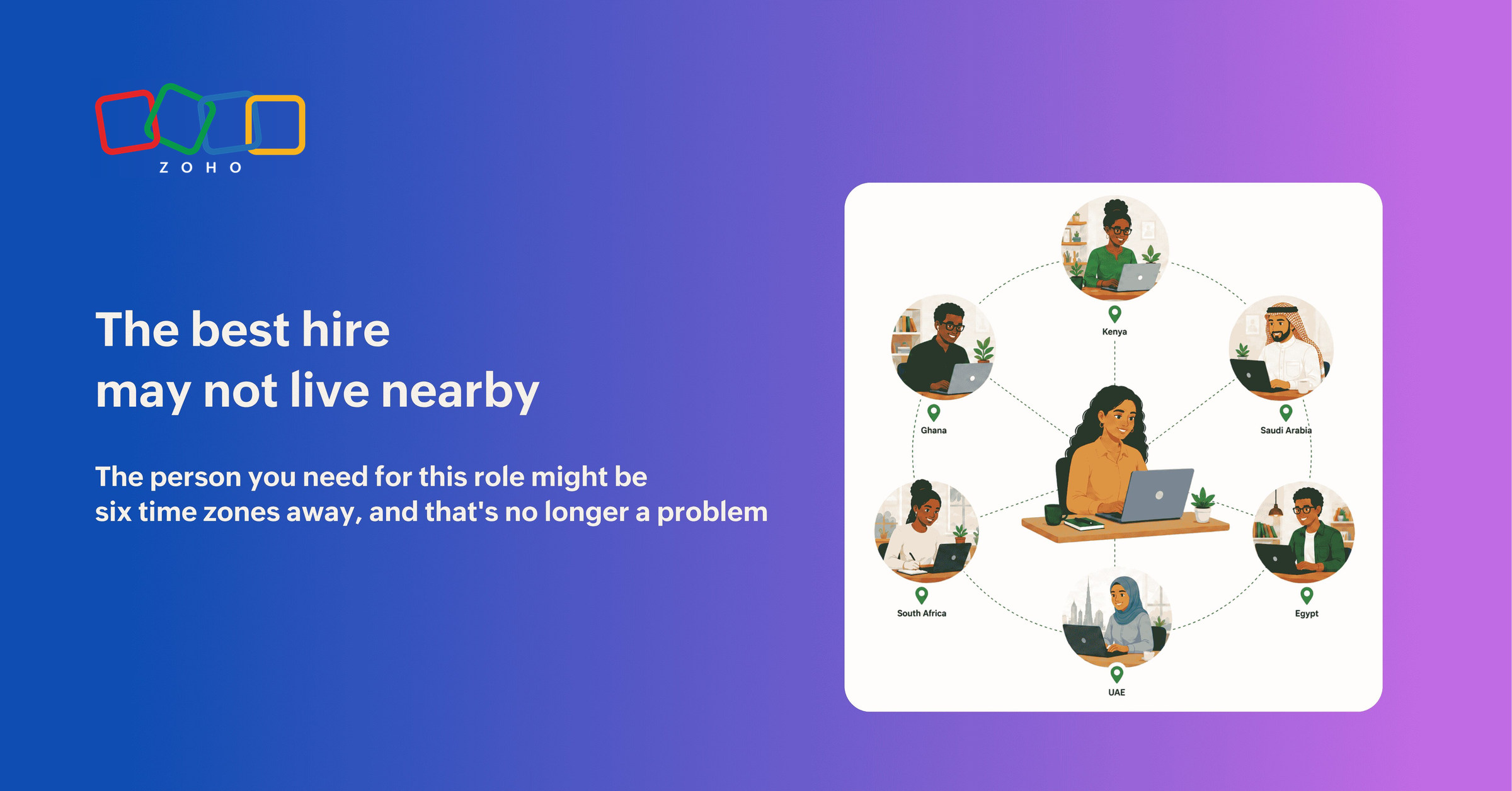
The best person for your next role may not live nearby. For a founder in Lagos, that hire might be a developer in Kano, a designer in Abuja or even an accountant based in a town with no coworking space for a hundred kilometres. A decade ago, this distance required relocation offers. Today, more founders in Africa simply hire remote workers.
This shift to distributed teams, where work happens across locations through digital coordination rather than a single office, creates an opportunity for African founders. Africa’s remote and freelance workforce has grown by 55% since 2020, and 62% of global firms now hire African talent remotely. The real question isn't whether remote talent exists, but whether you, as a founder, have the contracts and payroll ready for it.
What distributed work really means
Distributed work is about enabling people to work together effectively from different locations, whether that's remotely, in a hybrid setup, or across multiple offices. Founders have the advantage of a larger talent pool and can hire regardless of the employee's location. Now the question changes from “Who can get to the office?” to “Who’s the best person for the role?”
The real driver: Talent geography
Every year, 10 to 12 million young people join Africa's workforce. Nigeria's developer community on GitHub has passed 1.1 million, and Kenya's grew 33% year on year. Andela, a talent marketplace founded in Lagos, now connects more than 175,000 vetted technologists across 135 countries.
But this talent isn’t evenly distributed. In major tech cities, startups and remote employers all want the same experienced engineers. This drives up salaries in the cities everyone's competing for. Hiring across regions makes it easier to find diversified talent. Almost half of employers in Sub-Saharan Africa believe that finding talent will become easier by 2030, compared with just 29% worldwide, which means the window to build a distributed-hiring advantage now, before it's standard practice, is real. The lesson: Africa’s talent is spread out, and smart companies are, too.
Do the economics actually add in Nigeria?
For years the honest answer was not quite, and that is shifting. Internet penetration stands at 45.4% with 107 million active users. While broadband access is still evolving, Nigeria has 150 million active mobile connections, reflecting the common practice of using multiple SIM cards for better coverage and pricing and a median mobile download speed of 18.91 Mbps, enough to support most remote work.
The real bottleneck is power, not bandwidth. Frequent power outages mean companies trade office rent for internet stipends, power allowances, and the right tools. The real payoff comes from giving businesses access to a wider talent pool while still reducing overall operating costs. For founders weighing headcount against output, it is worth reading how some Nigerian SMEs grow without aggressive hiring before adding roles.
What Nigerian founders can't ignore: The local rules
The Nigeria Labour Act doesn't address remote or flexible work, so the terms come from the contract you write, not from statute. Payroll is where most distributed SMEs slip up, and it is often the hidden cost of running operations manually that surfaces first. Under PAYE (Pay As You Earn), tax is remitted to the state where the employee lives, not where your company is registered, so hiring across several states means several remittance obligations, and misallocating them, rather than underpaying, is what usually triggers penalties.
"For Nigerian founders, distributed work isn't about replacing the office—it's about removing geography as a barrier to hiring. The businesses that succeed are the ones that pair this flexibility with the right systems for collaboration, payroll, and compliance from day one."
— Ogundare Kehinde Seun, Regional Manager, Zoho - West Africa
Is your SME ready?
You don’t need to go fully distributed to see the benefits. The key is matching your hiring approach to each role. Here’s a quick checklist:
- Role fit: Can you measure success by what gets done, not by time spent at a desk? Roles like writing, coding, design, support, and accounting usually work well this way.
- Sector fit: Service jobs, like consulting or customer support, are easiest to do remotely. Roles that need someone on site, like manufacturing or retail, are harder to adapt to remote work.
- Power and connectivity: Do you have a budget for backup power and data, or are you just hoping the grid stays up?
- Tools and data: Are you using secure business software rather than personal apps?
- Payroll and contracts: Are taxes and contracts set up for each person's location?
- Operating rhythm: Can your team work well even if everyone isn’t online at the same time
- Wellbeing: Do you have ways to keep people connected and prevent burnout?
Hiring remotely is about building a business that can access the best talent, wherever that talent is based. For Nigerian founders, success depends on putting the right contracts, payroll processes, collaboration tools, and communication practices in place from the start. Get these foundations right, and geography stops being a constraint on who you can bring onto your team.
FAQs
Is it legal to hire remote employees across different Nigerian states?
Yes. The main challenge is payroll. You must pay each employee's PAYE tax to their state of residence, not just your head office’s state. If your team works in different states, you have to manage payments to several places. Mistakes in this process are a common reason for penalties, but payroll software or an advisor can help you stay compliant.
How do I manage a distributed team when power is unreliable?
Plan for unreliable power. Let your team work at different times (asynchronously), keep clear written records so others can catch up easily, and include backup power and data costs in your regular budget.
What's the difference between a contractor and an employee in Nigeria?
An employee is typically entitled to statutory employment protections where applicable, while an independent contractor generally manages their own taxes and benefits. The distinction depends on the actual working relationship, not simply the title used in the contract.